
Bankruptcy Isn’t the End of Your Credit Story

The best way to build credit after bankruptcy is to take consistent, strategic action starting the day your discharge is granted. Here’s a quick overview of the most effective steps:
- Check your credit reports from all three bureaus and dispute any errors
- Open a secured credit card to start building a positive payment history
- Make every payment on time — payment history is 35% of your FICO score
- Keep credit utilization below 30% of your available limit
- Consider a credit-builder loan to add an installment account to your profile
- Monitor your credit monthly to track progress and catch mistakes early
Filing for bankruptcy can feel like hitting rock bottom financially. But here’s the truth: it’s also the moment your recovery can begin.
Bankruptcy wipes out unmanageable debt and stops collection calls. Yes, it leaves a mark on your credit report — Chapter 7 stays for 10 years, Chapter 13 for 7. And yes, it can drop your score by around 200 points.
But that damage is not permanent. Within 24 months of consistent, responsible behavior, many people see real, measurable improvement in their scores. Some even find their score is higher a year after discharge than it was during the months of financial struggle leading up to it.
You are not alone in this. In 2024, nearly 494,201 Americans filed for non-business bankruptcy — a 14% increase from the year before. The path back is well-traveled, and it’s very walkable.
This guide will show you exactly how to do it, step by step.
Understanding the Impact and Timeline of Bankruptcy
To navigate the road ahead, we first need to understand the map. Bankruptcy is a legal tool designed to provide a “fresh start,” but it does come with a significant temporary cost to your credit reputation. In the United States, there are two primary types of consumer bankruptcy: Chapter 7 and Chapter 13.
Chapter 7, often called “liquidation” bankruptcy, wipes out most unsecured debts like credit cards and medical bills. Because it provides such a total reset, it carries the heaviest credit penalty. Chapter 13 involve a court-mandated repayment plan lasting three to five years. While still a major negative event, some lenders view it slightly more favorably because you are paying back a portion of what you owe.
According to recent data, Bankruptcy Filings Rise 14.2 Percent year-over-year. This surge highlights that many people in Indiana and across the country are seeking relief from unmanageable debt. When you file, you can expect an immediate credit score drop of up to 200 points. If you started with a high score (say, 780), the drop is steeper. If your score was already suffering due to missed payments and collections, the impact might feel less dramatic because the damage was already “baked in.”
From a lender’s perspective, a bankruptcy on your public record signals a high risk. However, this perspective shifts over time. As the filing ages, its impact weakens. Lenders are often more interested in what you have done since the bankruptcy than the bankruptcy itself.
How Long Bankruptcy Stays on Your Report
One of the most common myths we hear is that bankruptcy ruins your credit forever. This simply isn’t true. The Fair Credit Reporting Act (FCRA) sets strict limits on how long negative information can remain on your credit file.
- Chapter 7 Bankruptcy: Remains on your credit report for 10 years from the date of filing.
- Chapter 13 Bankruptcy: Remains on your credit report for 7 years from the date of filing.
It is important to note that other negative items associated with the bankruptcy—such as the late payments that led up to it—generally fall off after seven years. The removal of the bankruptcy “flag” is automatic. Once the time limit is reached, the credit bureaus must remove the entry from your report. You don’t need to pay a “credit repair” company to do this; it’s a matter of federal law.
The Best Way to Build Credit After Bankruptcy: Immediate First Steps
Once you receive your discharge papers, the clock officially starts on your rebuilding journey. The best way to build credit after bankruptcy begins with administrative diligence. You cannot build a new house on a cracked foundation, and your credit report is that foundation.
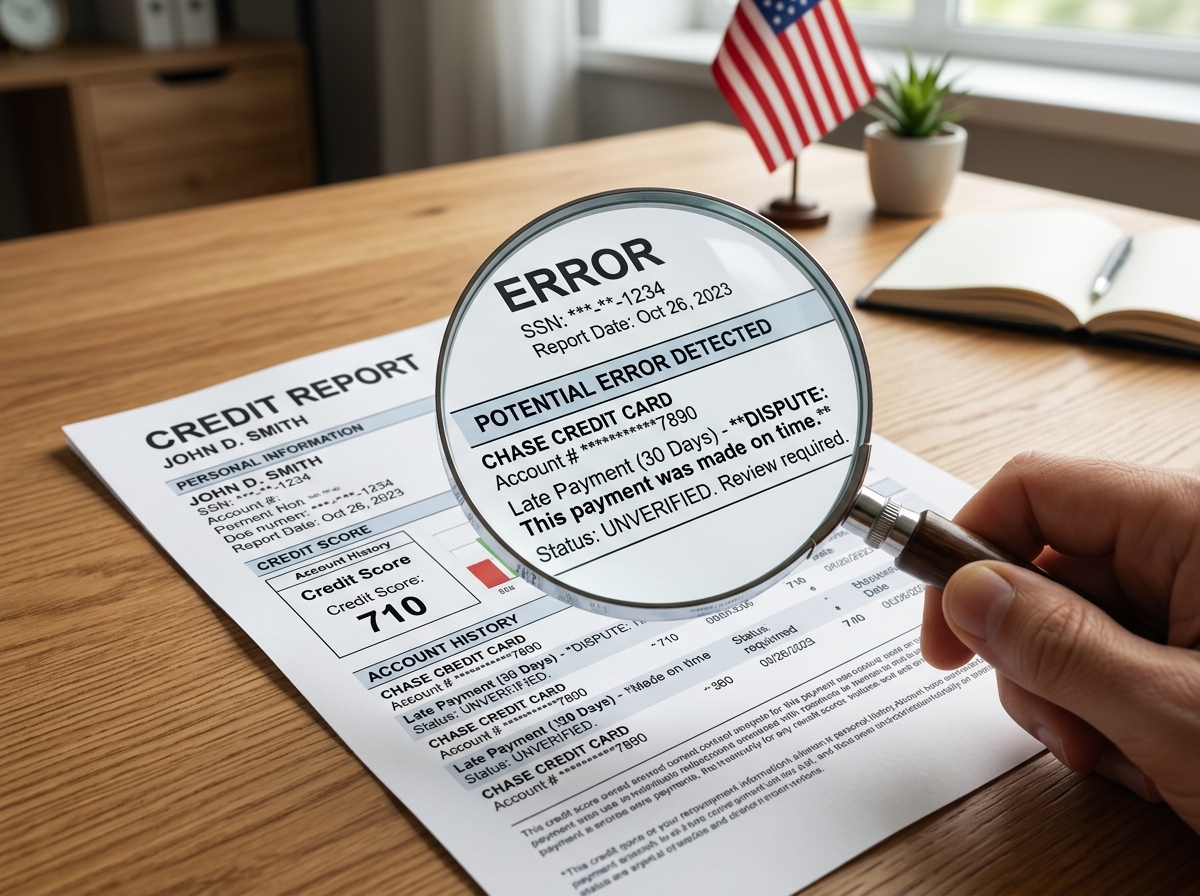
Your discharge papers are your most important documents. They prove that you are no longer legally obligated to pay the debts included in your filing. About 60 to 90 days after your discharge, you need to verify that your credit reports accurately reflect your new status.
Under the law, you have specific protections. It is vital to Know Your Rights FCRA to ensure you aren’t being unfairly penalized for debts that have been legally cleared. You can also review A Summary of Your Rights Under the Fair Credit Reporting Act to understand how the law mandates accuracy and privacy.
Verifying Your Post-Discharge Credit Report
You should pull your credit reports from all three major bureaus—Equifax, Experian, and TransUnion. You can do this for free at AnnualCreditReport.com.
When reviewing these reports, look for the following:
- Account Status: Every debt that was discharged in your bankruptcy should be marked as “Discharged” or “Included in Bankruptcy.”
- Balance: The balance for these accounts must be zero. If a creditor is still reporting a balance on a discharged debt, they are violating the law and potentially hurting your score further.
- Dates: Ensure the filing and discharge dates are correct.
If you find errors, you must file a dispute with the credit bureaus. They typically have 30 days to investigate and correct inaccuracies. Keeping your report clean is a prerequisite for a successful recovery.
Monitoring Progress: The Best Way to Build Credit After Bankruptcy Long-Term
Rebuilding credit isn’t a “set it and forget it” process. It requires active participation. We recommend tracking your score monthly to see how your new habits are influencing the numbers.
Most people focus on their FICO score, as it is used by 90% of top lenders. However, VantageScore is also a helpful tool for tracking trends. Understanding What Affects a Credit Score? is essential here. You’ll want to see your “Payment History” and “Amounts Owed” categories improving month by month. Many free credit monitoring services and even your bank’s mobile app can provide these updates, allowing you to catch any new errors or identity theft attempts before they spiral.
Strategic Credit Products to Accelerate Recovery
After cleaning up your reports, you need to start adding positive data. This is where many people get nervous. “I just got out of debt,” they say, “why would I want more credit?”
The answer is simple: Credit scores are based on how you handle borrowed money. If you don’t use any credit, you aren’t proving to lenders that you’ve changed your habits. You need a mix of “revolving” credit (like credit cards) and “installment” credit (like loans) to maximize your score. To understand these basics, check out the ABCs of Credit.
| Feature | Secured Credit Card | Credit-Builder Loan |
|---|---|---|
| Type of Credit | Revolving | Installment |
| Upfront Cost | Security Deposit (e.g., $200) | Usually none, but payments start immediately |
| Access to Funds | Immediate | After the loan is paid off |
| Primary Benefit | Lowers utilization, builds history | Builds payment history, creates savings |
| Risk | High if you overspend | Low, as funds are locked |
Why Secured Cards are the Best Way to Build Credit After Bankruptcy
For most people, a secured credit card is the most accessible tool post-discharge. Unlike a traditional card, a secured card requires a cash deposit that serves as your credit limit. If you deposit $300, your limit is $300. This deposit acts as “training wheels” for both you and the bank.
The best way to build credit after bankruptcy using a secured card involves three rules:
- Small Purchases only: Use it for a tank of gas or a grocery trip once a month.
- Pay in Full: Never carry a balance. Pay the statement in full every single month to avoid interest.
- On-time is the only time: Set up autopay. One late payment post-bankruptcy can set your recovery back by months.
Over time (usually 12-18 months), many lenders will “graduate” you to an unsecured card and return your deposit if you’ve shown responsible use.
Utilizing Credit-Builder Loans for Payment History
If you struggle with the temptation of a credit card, a credit-builder loan is a fantastic alternative. These function like a “reverse loan.” The lender puts the loan amount (usually $300 to $1,000) into a locked savings account. You make monthly payments for a set term (6 to 24 months). Once the loan is paid off, the lender releases the money to you.
The magic happens in the reporting. Every month you make a payment, the lender reports it to the credit bureaus as an “on-time payment.” By the end of the term, you have a year or two of perfect payment history and a nice chunk of change in savings. It’s a low-risk entry point into the credit world.
Essential Financial Habits for a Permanent Fresh Start
Tools like cards and loans are just the “hardware” of credit rebuilding. Your habits are the “software” that makes everything run.
Payment history is the single most important factor, accounting for 35% of your FICO score. Even a single 30-day late payment can be devastating. To understand the real-world consequences of poor credit management, read about What Bad Credit Cost. Beyond just higher interest rates, it can affect your ability to rent an apartment or even get certain jobs in Indiana.
The second most important factor is “Credit Utilization”—how much of your available credit you are using. The golden rule is to keep this below 30%, but for the fastest recovery, aim for under 10%. If your limit is $300, never let your balance exceed $30.
Adopting Disciplined Spending and Payment Routines
We recommend a “belt and suspenders” approach to payments.
- Autopay: Set up automatic minimum payments for every bill you have. This ensures you never have a “technical” late payment because you forgot the date.
- Calendar Alerts: Set a phone reminder five days before a bill is due to check your bank balance and ensure the funds are there.
- Emergency Fund: Research shows that having even $500 in savings can prevent most people from falling back into high-interest debt when a car repair or medical bill pops up. This is your “freedom fund.”
Avoiding Common Rebuilding Pitfalls
In the wake of a bankruptcy, you may feel desperate to fix your score quickly. This makes you a target for predatory lenders and “credit repair” scams.
Be wary of:
- Credit Repair Firms: If they promise to “delete” accurate bankruptcy filings or charge huge upfront fees, run away. Only time and accuracy can fix a credit report.
- Too Many Inquiries: Every time you apply for credit, your score takes a small hit. Space out your applications by at least six months.
- High-Interest Retail Cards: “Easy to get” store cards often come with 30%+ interest rates and low limits that make it easy to accidentally max out your utilization.
Frequently Asked Questions about Post-Bankruptcy Credit
How long does it take to see a significant score increase?
While every situation is unique, most people see a noticeable “lift” within 6 to 12 months of consistent on-time payments. Within 24 months, if you have avoided new negatives and kept your balances low, your score could move from the “Poor” range into the “Fair” or even “Good” range.
Can I buy a home or car shortly after bankruptcy?
Yes, but it will cost more in interest. For a car, you can often get a loan immediately after discharge, though rates will be high. For a home, FHA loans typically require a two-year waiting period after a Chapter 7 discharge, provided you have rebuilt your credit and have no new late payments.
Should I avoid all credit cards to stay out of debt?
While the instinct to avoid credit is understandable, it’s actually counterproductive for your score. You don’t need to carry debt to have a high credit score, but you do need to have active credit lines. Think of a credit card as a tool—like a hammer. It can build a house or smash a thumb; the result depends on how you use it.
Conclusion
Bankruptcy is a hurdle, not a wall. It is a legal reset that allows you to stop the bleeding and start healing your financial life. By following the best way to build credit after bankruptcy—verifying your reports, using secured products strategically, and maintaining ironclad payment habits—you can return to a position of financial strength.
At United Credit Experts, we believe in financial empowerment through education. We don’t just want you to have a better number; we want you to have a better understanding of how money works so you never have to face this struggle again. Whether you are in Crown Point, Northwest Indiana, or anywhere else in the state, your fresh start is waiting.
Don’t let the past dictate your future. Take the first step toward your new financial life and Start your credit rebuilding process today.