
Why Boosting Your Credit Score with Experts Is the Fastest Path to Financial Freedom

Boost score with experts is one of the smartest moves you can make when your credit is holding you back from the life you want.
Here are the fastest ways to do it:
- Register on the electoral roll – can add up to 50 points instantly
- Use Experian Boost – connects everyday bill payments to your credit file, with an average increase of 13 points
- Keep credit utilisation below 30% of your available limit
- Pay every bill on time – set up direct debits so you never miss a due date
- Use a credit builder product – members average 200 points gained over 12 months
- Check your credit report for errors and dispute anything inaccurate
- Work with a credit expert who can guide your specific situation
Your credit score is a three-digit number between 0 and 999. It tells lenders how reliably you repay borrowed money. The higher it is, the more doors open for you – better mortgage rates, loan approvals, rental applications, even phone contracts.
But when that number is low? It can feel like every financial door is locked.
High interest rates eat into your budget. Lenders say no. The cycle of debt and denial just keeps going.
The good news: your score is not fixed. With the right steps and expert guidance, real improvement is possible – sometimes faster than you think.

The Core Components of a Strong Credit Profile
When we talk about credit at United Credit Experts, we like to keep it simple. Credit is essentially “lent money” that you promise to pay back later. Your credit score is the grade you get on how well you keep that promise.
For many people in Northwest Indiana and across the country, the struggle isn’t necessarily bad habits, but a “thin” credit file. This is incredibly common for young adults or newcomers to the country. Even if you were a financial superstar in another country, UK or US lenders usually only care about your local history. If they can’t see a history of you managing debt here, they often default to a low score because you are an “unknown quantity.”
To move from “unknown” to “reliable,” you need to master the ABCs of Credit. This involves understanding how your financial behavior—from where you live to how you apply for cards—paints a picture for lenders.
One of the most misunderstood areas is the difference between hard and soft credit checks. Knowing the difference is a key way to boost score with experts by avoiding unnecessary damage.
| Feature | Soft Credit Check | Hard Credit Check |
|---|---|---|
| Impact on Score | None | Can lower your score temporarily |
| Visible to Lenders? | No | Yes |
| Common Example | Checking your own score; Eligibility checkers | Mortgage or credit card applications |
| Frequency Recommendation | As often as you like | Ideally no more than one every 6 months |
Stability is also a major factor in What Affects a Credit Score. Lenders love “boring” applicants. This means having a stable home address for a long period and a consistent banking history. If you move every six months, lenders might worry about your ability to maintain a steady lifestyle and keep up with repayments.
Why You Should Boost Score with Experts for Mortgages
If you are dreaming of homeownership in Crown Point or anywhere in Indiana, your credit score is the gatekeeper. A higher score doesn’t just get you a “yes”; it gets you a cheaper “yes.” Even a small difference in your score can move you into a different interest rate bracket, potentially saving you tens of thousands of dollars over the life of a 30-year mortgage.
One of the most effective tactical moves is to Register to vote – GOV.UK (or the equivalent local registration in your region). In the UK, for example, simply being on the electoral roll can add 50 points to your score. Why? Because it proves who you are and where you live, reducing the risk of identity fraud in the eyes of the lender.
Furthermore, being “mortgage ready” involves more than just a high number. Experts recommend reporting your rental payments. Historically, rent didn’t count toward credit scores, which felt unfair to many. Today, initiatives like the Rental Exchange allow your on-time rent to finally work in your favor. In fact, about 79% of tenants who use these services see a noticeable improvement in their scores.
Understanding the Impact of Credit Utilization
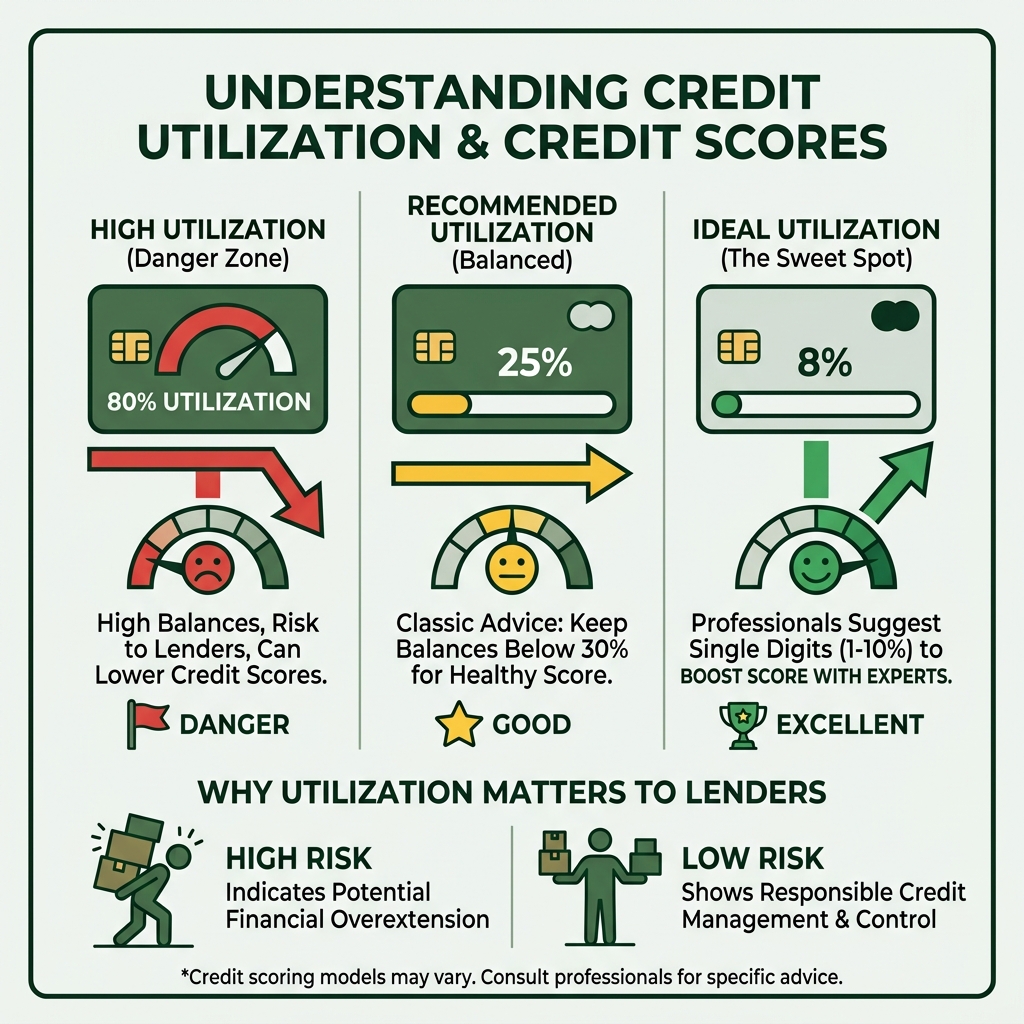
Credit utilization is a fancy term for how much of your “credit limit” you are actually using. If you have a credit card with a $1,000 limit and you owe $300, your utilization is 30%.
The “30% Rule” is a classic piece of advice: try to keep your revolving balances below 30% of your total available credit. However, if you really want to boost score with experts, many professionals suggest aiming for single-digit utilization (between 1% and 10%).
Lenders view high utilization as a red flag. It suggests you might be overextended or reliant on credit to get through the month. Conversely, a 0% utilization isn’t always perfect either; lenders want to see that you can use credit responsibly, not that you’re afraid to touch it.
Practical Strategies to Boost Score with Experts
Improving your financial standing isn’t about magic; it’s about systems. When you sit down for a consultation, the first thing we look at is your “financial hygiene.”
- Automate Everything: Set up direct debits for all your bills. Even one missed payment can stay on your report for six years (or seven in the US). Missing a payment by just a few days can cause a significant drop.
- The Six-Month Rule: Every time you make a “hard” application for credit, it leaves a footprint. Too many footprints in a short time make you look desperate for cash. Try to space out applications by at least six months.
- Use Eligibility Checkers: Before you apply for a loan or card, use “soft search” tools. These tell you how likely you are to be accepted without actually touching your score.
- Bank Account Longevity: Keep your oldest bank account open. The length of your financial relationships matters. A bank account you’ve had for ten years is a testament to your stability.
Using Digital Tools to Boost Score with Experts Instantly
We live in a digital age, and credit reporting is finally catching up. You can now leverage your everyday digital life to see an instant lift. Services like Experian Boost allow you to link your bank account so that your Netflix, Spotify, and even your Council Tax or utility payments count toward your score.
While traditional credit reports only looked at debt, these tools look at your “budgeting reliability.” Users of these “boost” services see an average increase of 13 points instantly, with some seeing jumps of over 100 points. It is a risk-free way to show lenders that you are responsible with your monthly commitments.
However, you have protections. It is vital to Know Your Rights FCRA (Fair Credit Reporting Act). This ensures that the data being reported about you is accurate, fair, and kept private.
Building History with Credit Builder Products
If your score is too low to get a standard credit card, don’t worry—there are products designed specifically for you.
- Secured Credit Cards: You provide a cash deposit (e.g., $200), and that becomes your credit limit. It’s a “no-risk” way for the bank to let you build history.
- Credit Builder Loans: These are unique. You “borrow” a sum of money that is held in a locked savings account. You make monthly payments, which are reported to the credit bureaus. At the end of the term (usually 12 months), you get the money back. You’ve essentially “saved” your way to a better credit score.
Members using these structured paths often see their scores increase by an average of 200 points over a year. It’s a marathon, not a sprint, but the path is clearly marked.
Advanced Tactics for Long-Term Credit Health
Once you’ve handled the basics, it’s time to look at the finer details of your report. Errors are more common than you might think. A misspelled name, an old address, or a “settled” debt that still shows as “active” can drag you down.
Regularly checking your report for errors and fraud is non-negotiable. If you find a mistake, you have the right to dispute it. If there is a legitimate reason for a past financial struggle (like a period of illness or redundancy), you can add a “Notice of Correction.” This is a 200-word statement that lenders must read when they manually review your file.
Another advanced move is “financial disassociation.” If you once had a joint bank account or mortgage with an ex-partner who has poor credit, their “financial shadow” could be affecting you. You can request a disassociation to break that link in the eyes of credit agencies.
Finally, focus on your “credit mix.” Lenders like to see that you can handle different types of credit—such as a revolving credit card and an installment loan (like an auto loan). Diversity in your accounts shows you are a well-rounded borrower.
Frequently Asked Questions about Credit Improvement
How long does it take to see a score increase?
While some tools like Experian Boost can offer an “instant” lift, most meaningful changes take time. It typically takes 30 to 60 days for a lender to report your updated balance or on-time payment to the bureaus. For major rebuilding, you should expect to see significant progress within 6 to 12 months of consistent habit-building.
Can I boost my score if I am new to the country?
Yes! The strategy for newcomers is to “establish” rather than “repair.” Start by opening a local bank account, getting your name on utility bills, and potentially using a secured credit card or a credit-builder tool. Proving your residency through the electoral roll or local registrations is also a vital first step.
What are the most common mistakes that lower a score?
The “Big Three” mistakes are:
- Missing payments: Even one 30-day late payment can be devastating.
- High utilization: Maxing out your cards, even if you pay them off later, suggests financial stress.
- Applying for too much credit at once: This creates a cluster of “hard checks” that signals risk to lenders.
Conclusion
Achieving financial freedom isn’t just about how much money you make; it’s about how well you manage your reputation with lenders. By choosing to boost score with experts, you are taking a proactive step toward lower interest rates, better housing options, and a future free from financial anxiety.
At United Credit Experts, we believe that everyone deserves a second chance at a great credit score. Whether you are in Northwest Indiana or anywhere else in the country, the principles of consistency and education remain the same. Don’t let a “thin” file or past mistakes define your future.
Ready to take the next step? It’s time to move from confusion to confidence. Get Started with our expert consulting services today and put yourself on the fast track to the score you deserve.