
Your Credit Score Is Costing You More Than You Think

The best way to bring up credit score comes down to five core actions: pay on time, lower your credit card balances, dispute errors on your report, add positive payment history, and manage collections strategically.
Here’s a quick-reference breakdown:
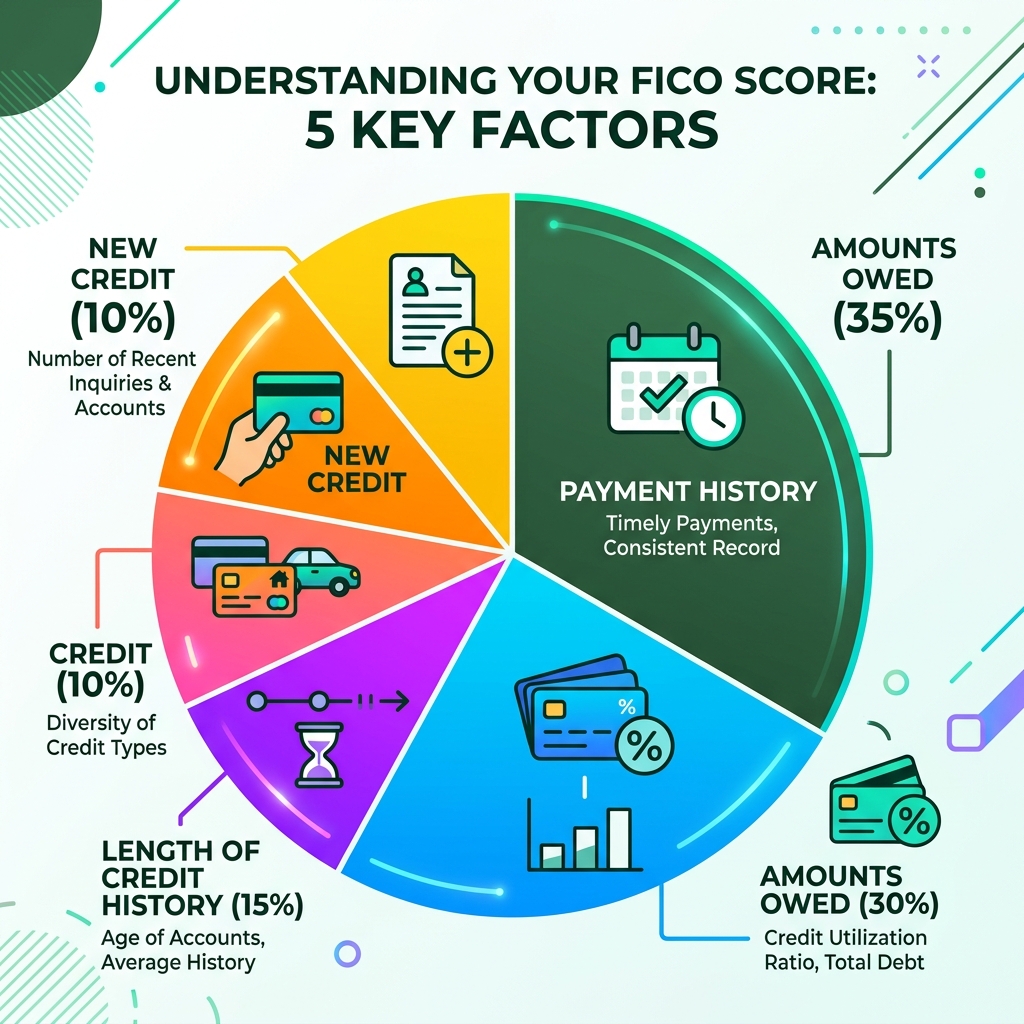
- Pay every bill on time – Payment history is 35% of your FICO score
- Lower your credit utilization – Keep balances below 30% of your limit (10% is ideal)
- Dispute errors on your credit report – Inaccurate data can silently drag your score down
- Add positive history – Use tools like Experian Boost, secured cards, or become an authorized user
- Handle collections – Negotiate removals or pay-for-delete arrangements where possible
A 500 credit score doesn’t just sting your pride. It means loan denials, sky-high interest rates, and getting locked out of the things you actually need – a car, a home, a fresh financial start.
The good news? Your score is not permanent. Credit scores are calculated from live data. That means the right moves can start shifting the number within a single billing cycle.
The five factors below drive virtually every point gain or loss on your FICO score:
This article walks you through exactly what to do – and in what order – to move that dial from red to green as fast as realistically possible.
The Best Way to Bring Up Credit Score: Master the Fundamentals
To move from a “subprime” 500 to a “heroic” 700+, we first need to understand the rules of the game. In the United States, and specifically for our neighbors in Northwest Indiana and Crown Point, two major scoring models dominate: FICO and VantageScore. While they have slight differences, they both look at your financial behavior to predict how likely you are to pay back lent money.
At United Credit Experts, we believe in empowering you by simplifying these basics. Think of your credit score as a grade for your financial reliability. Lenders use it to decide if they should trust you with a mortgage or a car loan.
The best way to bring up credit score is to focus on the heavy hitters: Payment History (35%) and Amounts Owed (30%). If you master these two, you’ve already conquered 65% of your score. You can Learn more from the Consumer Financial Protection Bureau (CFPB) about how these scores are accessed and used by lenders. For a deeper dive into the mechanics, check out our guide on what affects a credit score.
Understanding the 35% Rule
Payment history is the undisputed heavyweight champion of your credit score. It accounts for 35% of your FICO score and a whopping 40% of your VantageScore 3.0. Even one 30-day late payment can knock 100 points off a high score.
The “hero” move here is delinquency prevention. We recommend setting up automatic billing for at least the minimum payment on every account. This ensures that even if life gets busy in Crown Point, your credit report stays “clean.” If you’ve already missed a payment, get current as soon as possible. The longer a payment is late, the more it hurts. Our ABCs of Credit can help you build the foundation needed for a perfect payment streak.
The Impact of Credit Mix
While not as massive as payment history, your “credit mix” makes up 10% of your score. Lenders like to see that you can handle different types of debt responsibly. This usually means a combination of:
- Installment Loans: Fixed monthly payments like auto loans, mortgages, or student loans.
- Revolving Credit: Flexible accounts like credit cards or lines of credit.
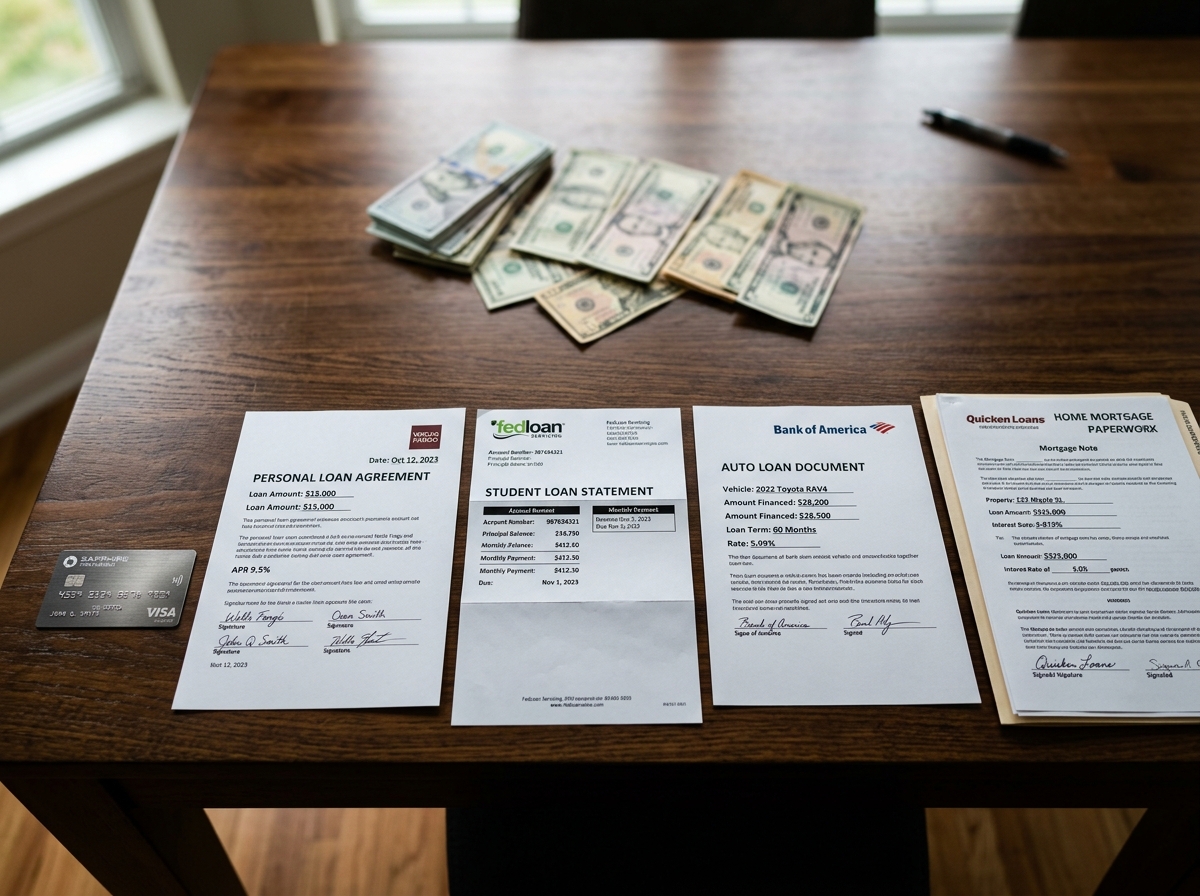
If you only have credit cards, adding a small installment loan (like a credit-builder loan) can diversify your mix. Conversely, if you only have loans, responsibly managing a credit card can show you handle revolving debt well.
Step 1: Audit Your Credit Report for Costly Errors
You can’t fix what you haven’t measured. Many people are surprised to find that their low score isn’t entirely their fault—it’s the result of mistakes made by banks or credit bureaus.
Federal law entitles you to a free credit report from each of the three national bureaus: Equifax, TransUnion, and Experian. You can access these at AnnualCreditReport.com. During your audit, look for:
- Payments marked late that you actually paid on time.
- Accounts that don’t belong to you (potential identity theft).
- Ex-spouses still listed on joint accounts.
- Old negative items that should have “fallen off” after seven years.
Why Disputing Errors is the Best Way to Bring Up Credit Score Fast
Disputing an error is one of the few “hacks” that can result in a massive score jump in as little as 30 days. Under the Fair Credit Reporting Act (FCRA), credit bureaus generally have 30 days to investigate and verify a disputed item. If they can’t prove it’s accurate, they must remove it.
Removing a single “wrongful” late payment or a fraudulent collection account can skyrocket a score from the 500s into the 600s almost overnight. For more information on your rights and how to file a dispute, you can visit the Federal Trade Commission’s website.
Step 2: Optimize Your Credit Utilization Ratio
After payment history, your credit utilization ratio is the most important factor. This is the amount of revolving credit you’re using compared to your total limits. If you have a $1,000 limit and a $900 balance, your utilization is 90%—which screams “financial distress” to the scoring algorithms.
| Utilization % | Impact on Credit Score |
|---|---|
| 90% + | High Negative Impact (Score Drops) |
| 30% – 50% | Moderate Negative Impact |
| 10% – 29% | Positive Impact (Good Goal) |
| 1% – 9% | Maximum Positive Impact (Hero Status) |
Lowering Balances: The Best Way to Bring Up Credit Score Immediately
If you have some extra cash, paying down your credit card balances is the best way to bring up credit score immediately. Unlike payment history, which takes years to build, utilization has “no memory.” As soon as your bank reports a lower balance to the bureaus, your score updates.
Pro-Tip: The AZEO Method “All Zero Except One” (AZEO) is a strategy where you pay off all your credit cards to a $0 balance, except for one card which you leave with a very small balance (less than 1% of the limit). This shows the bureaus you are using credit but using it very responsibly.
Another trick is to make “micropayments” throughout the month. If you pay your balance down right before the statement closing date (not the due date), the bank will report a $0 or low balance to the bureaus, even if you use the card every day.
Step 3: Leverage Strategic Credit-Building Tools
If your credit file is “thin” or heavily damaged, you might need specific tools to jumpstart the process.
- Authorized User Status: This is often called “piggybacking.” If a family member in Indiana has a long-standing credit card with a perfect payment history and a high limit, they can add you as an authorized user. Their positive history may then appear on your report, giving you an instant boost. Just ensure they actually use the card responsibly!
- Secured Credit Cards: These require a cash deposit that usually serves as your credit limit. They are much easier to get with a 500 score and report to the bureaus just like a “real” card.
- Credit-Builder Loans: These are essentially “forced savings” accounts. You make monthly payments into an account you can’t access, and the lender reports those on-time payments to the bureaus. Once the loan is “paid off,” you get the money back.
Reporting Non-Traditional Payments
Why should only your credit cards count? New tools allow you to get credit for bills you already pay. Experian Boost is a popular free service that lets you add on-time utility, phone, and even streaming service (like Netflix or Disney+) payments to your Experian credit file. On average, users see an increase of about 13 points.
Additionally, some services now allow for rent reporting. Since rent is often the largest monthly expense for residents in Crown Point, getting that 100% on-time history onto your report can be a game-changer.
Step 4: Manage Collections and Late Payments
If you have collections on your report, don’t panic. While they stay on your report for seven years, their impact fades over time.
- Debt Validation: Before paying a collection, demand that the agency prove you actually owe the money. If they can’t provide the original contract, they must remove it.
- Goodwill Letters: If you have a one-time late payment with a creditor you’ve otherwise been loyal to, write them a “Goodwill Letter.” Ask them to remove the late mark as a courtesy. It works more often than you’d think!
- Pay-for-Delete: If you decide to pay a collection, try to negotiate a “pay-for-delete” agreement. This is where the agency agrees to remove the account from your credit report entirely in exchange for payment. Get this in writing!
For more specific strategies on handling old debt, read our specialized article on Collections and Credit Scores. If you feel overwhelmed, the National Foundation for Consumer Credit offers non-profit counseling that can help you manage debt without further damaging your score.
Frequently Asked Questions about Raising Your Score
How long does it take to see a score increase?
Credit scores usually update once every 30 days when your creditors send data to the bureaus. While you can see some “instant” jumps from things like Experian Boost or disputing errors, most people see significant “hero-level” changes within 3 to 6 months of consistent effort.
Can I build credit with no history?
Yes! This is known as having a “thin file.” The best way to bring up credit score when starting from zero is to get a secured card or a student loan. If you are a student in the Indiana area, paying your student loans on time is a fantastic way to build a long-term credit history.
Does checking my own score hurt it?
No. Checking your own score is a soft inquiry, which has zero impact on your points. A hard inquiry happens when you apply for new credit (like a car loan or credit card), and that can drop your score by a few points. This is why we recommend using credit monitoring services to keep an eye on your progress safely.
Conclusion: Your Path to Financial Heroism
Improving your credit score isn’t about magic tricks; it’s about consistency and knowing which levers to pull. By auditing your report, crushing your utilization, and using tools like secured cards, you can move from a 500 to a score that opens doors.
At United Credit Experts, we are dedicated to helping our community in Northwest Indiana navigate these complex waters. Whether you are in Crown Point or anywhere in the USA, the principles of credit remain the same: understand the basics, stay disciplined, and monitor your progress.
Ready to take the next step? Explore our Credit Scores Category for more tips, or start your credit improvement process today with our expert consulting team. You’ve got this!